DemoSATH Lab
Offshore wind coexisting with nature.
no-repeat;center top;;
auto
DESCRIPCIÓN DEL PROYECTO
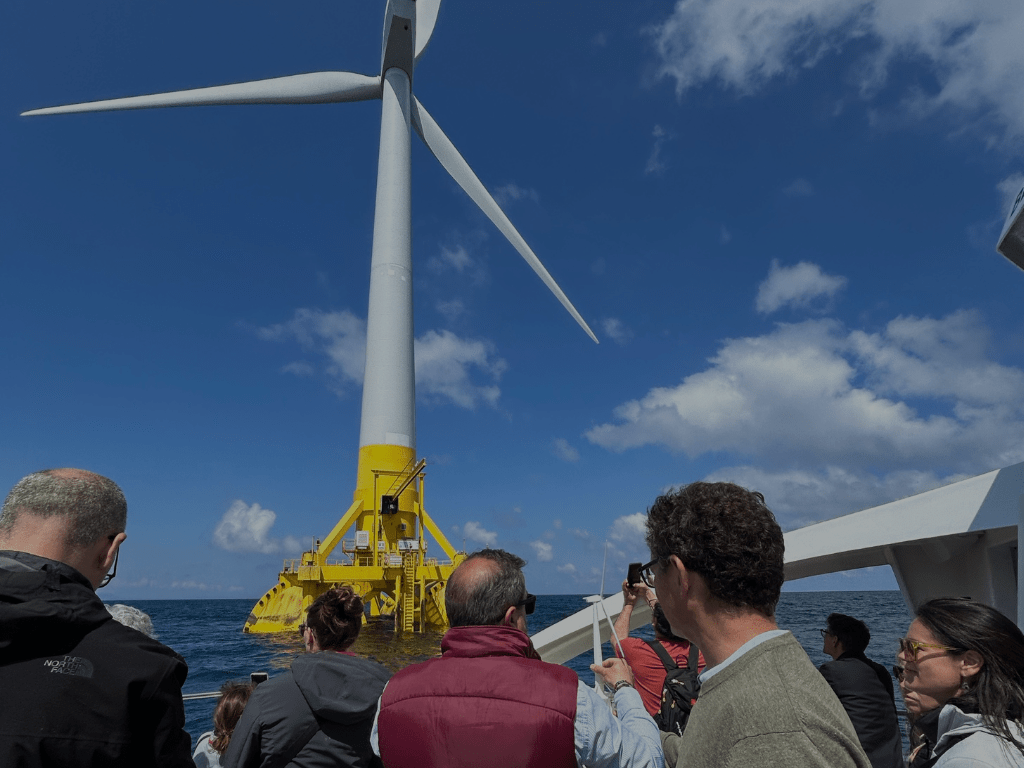
DemoSATH Lab generates environmental impact data on floating offshore wind to enable co-use of marine space, advanced biodiversity monitoring, and targeted R&D.
Building on the real-scale data collected around the DemoSATH floating offshore wind turbine, installed since 2023, the Lab combines innovative sensing and analytics to help de-risk new designs, optimise operation and maintenance strategies, and reduce lifecycle impacts on marine ecosystems.
The insights produced are meant to support regulators, industry, researchers, and local communities in delivering offshore wind projects that truly coexist with nature.
justify
no-repeat;center top;;
auto
Why floating offshore wind has to coexist with the environment?
Floating offshore wind is essential to decarbonising the energy system, delivering large volumes of low-carbon electricity close to demand centres and helping reduce greenhouse gas emissions from power generation. But this expansion is taking place in already busy and fragile seas, so projects must be carefully planned and operated, treating coexistence with the marine environment as a core design requirement rather than an afterthought.
justify
no-repeat;center top;;
auto
OUR INVESTIGATION PROGRAMS
1. BIODIVERSITY RESILIENCE AND ENVIRONMENTAL BENEFITS
no-repeat;center top;;
auto
300
Nature inclusive design program
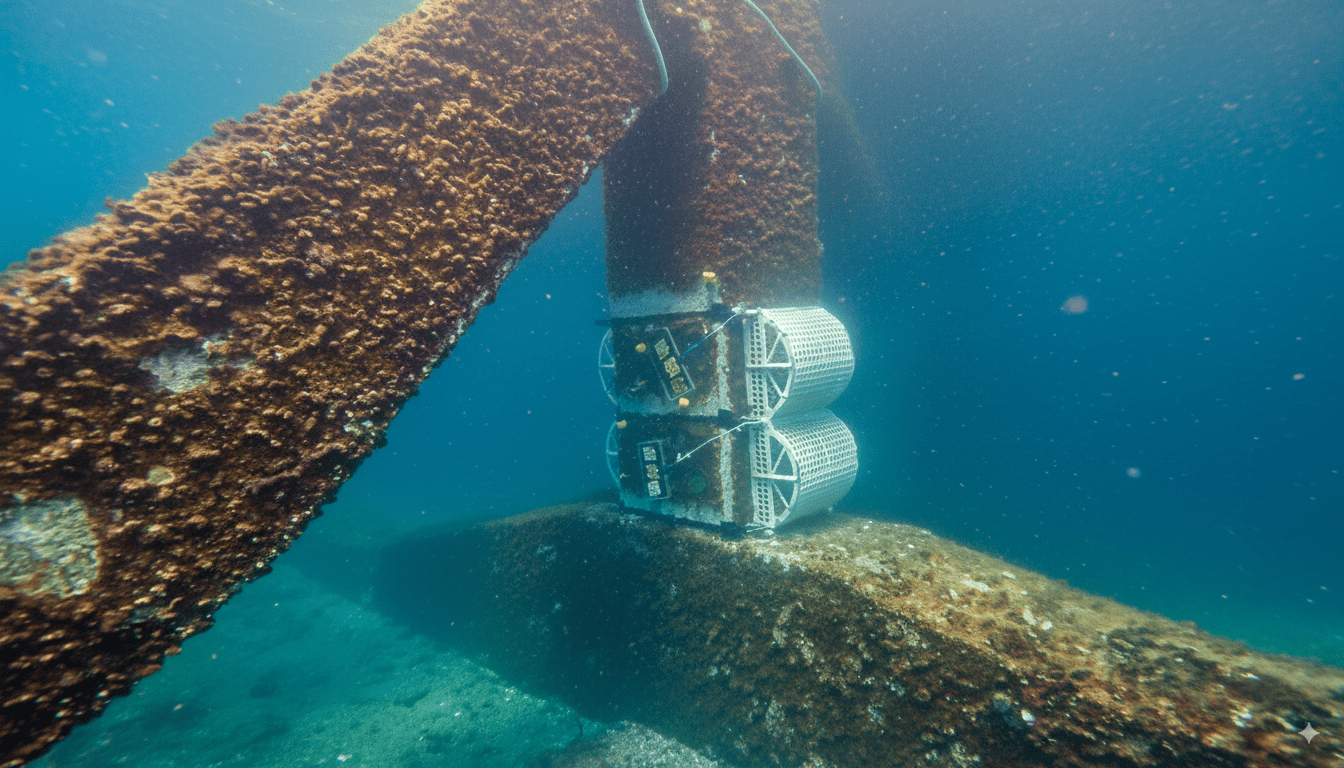
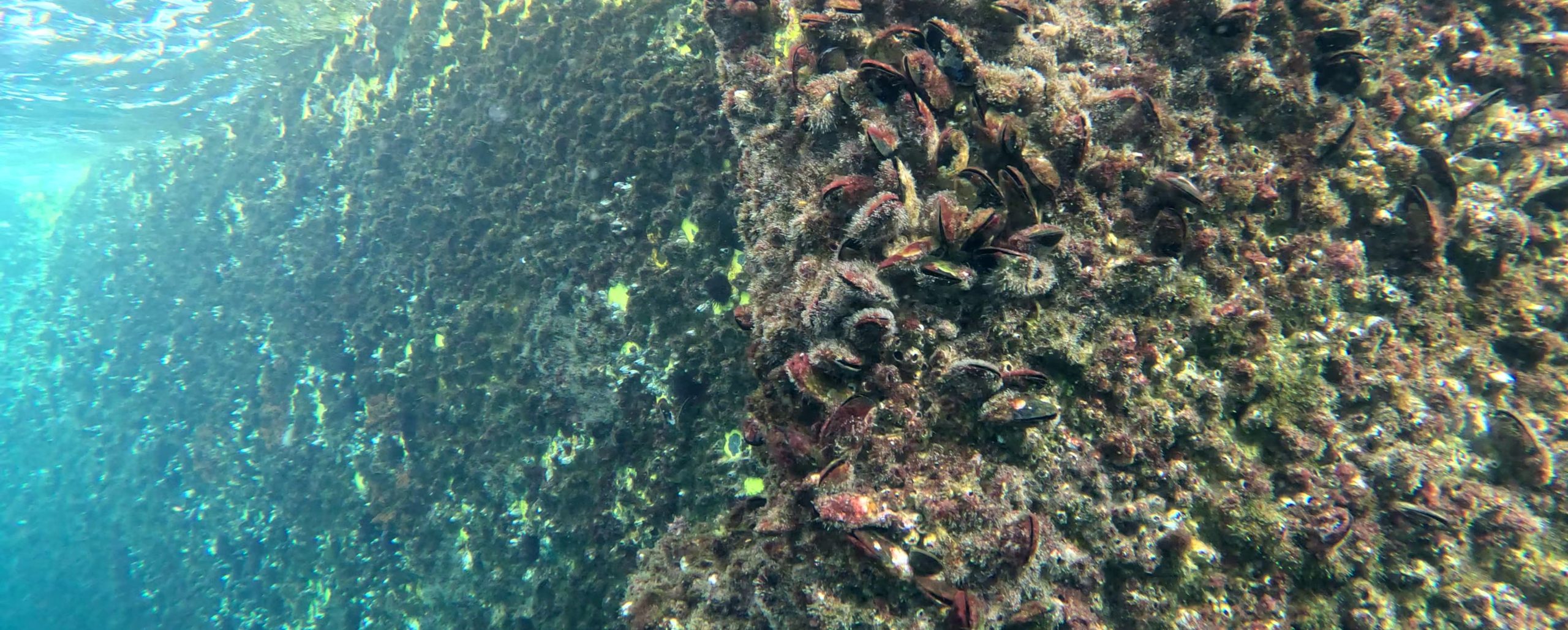
Focuses on engineering and operational solutions that enhance habitat quality around the floating foundation and mooring system—for example, exploring eco-designed surfaces and layouts that can act as artificial reefs, improve connectivity for fish and invertebrates, and reduce disturbance to seabirds and marine mammals.
Our most recent addition is the installation of Ocean Ecostructures’ Life Boosting Units (LBUs), now attached to the submerged section of the platform.
no-repeat;center top;;
auto
300
Biodiversity surveillance program
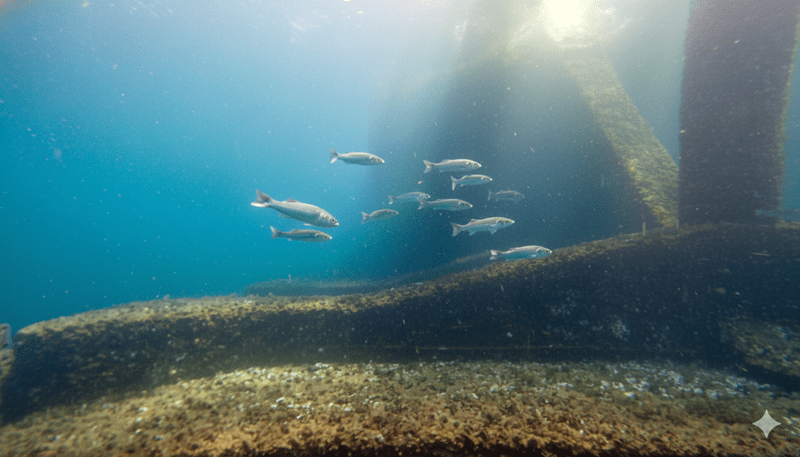
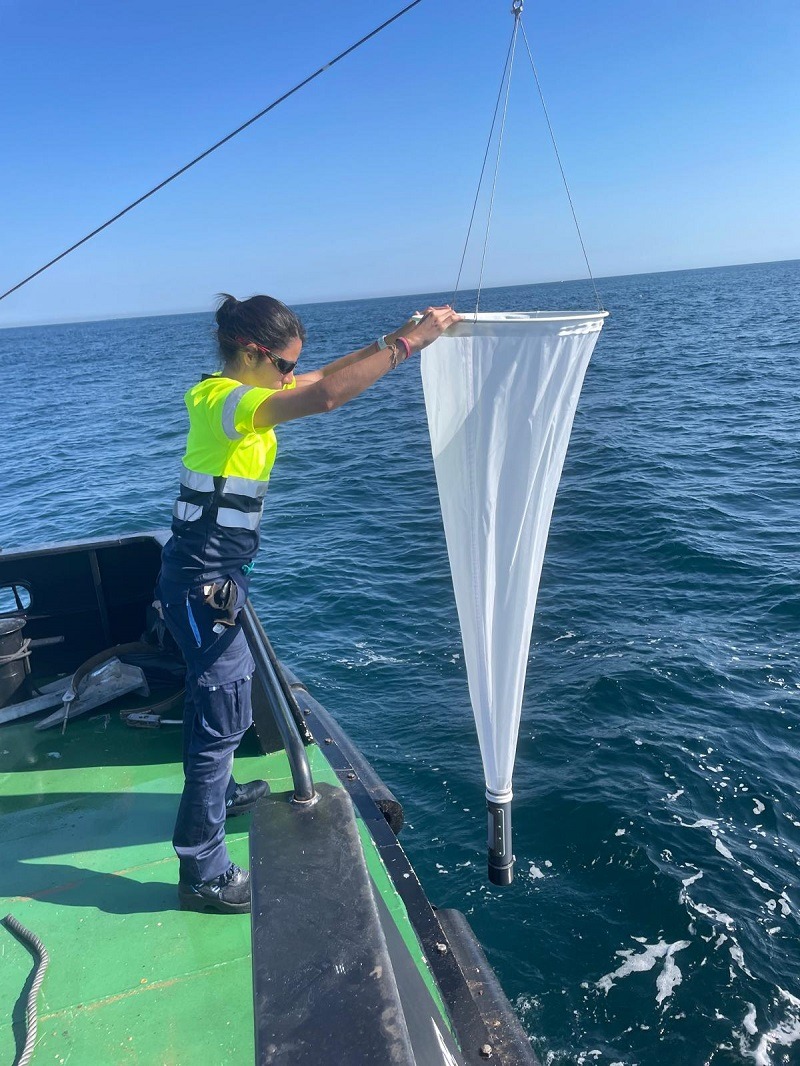
Combines multiple monitoring techniques to track how marine life responds over time.
- It uses ROV surveys y underwater cameras for surveillance.
- eDNA sampling provides a sensitive tool to detect a wide range of species, from invertebrates to fish and marine mammals.
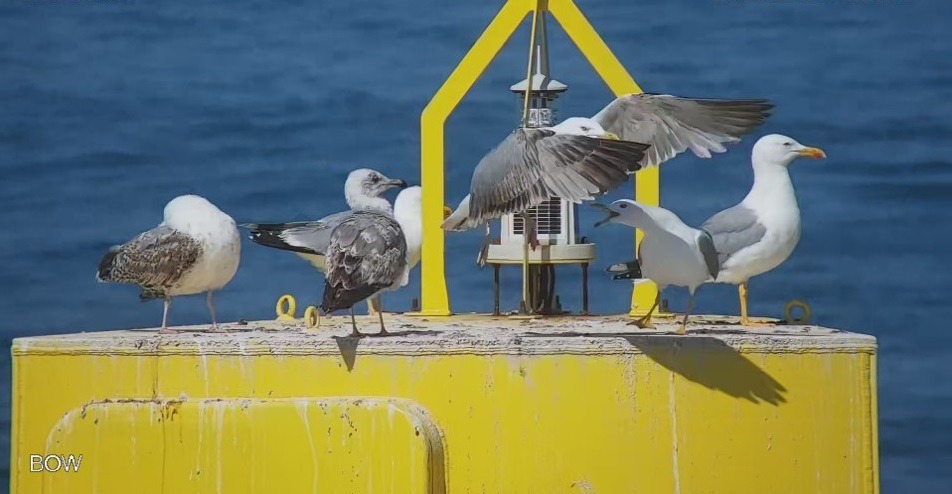
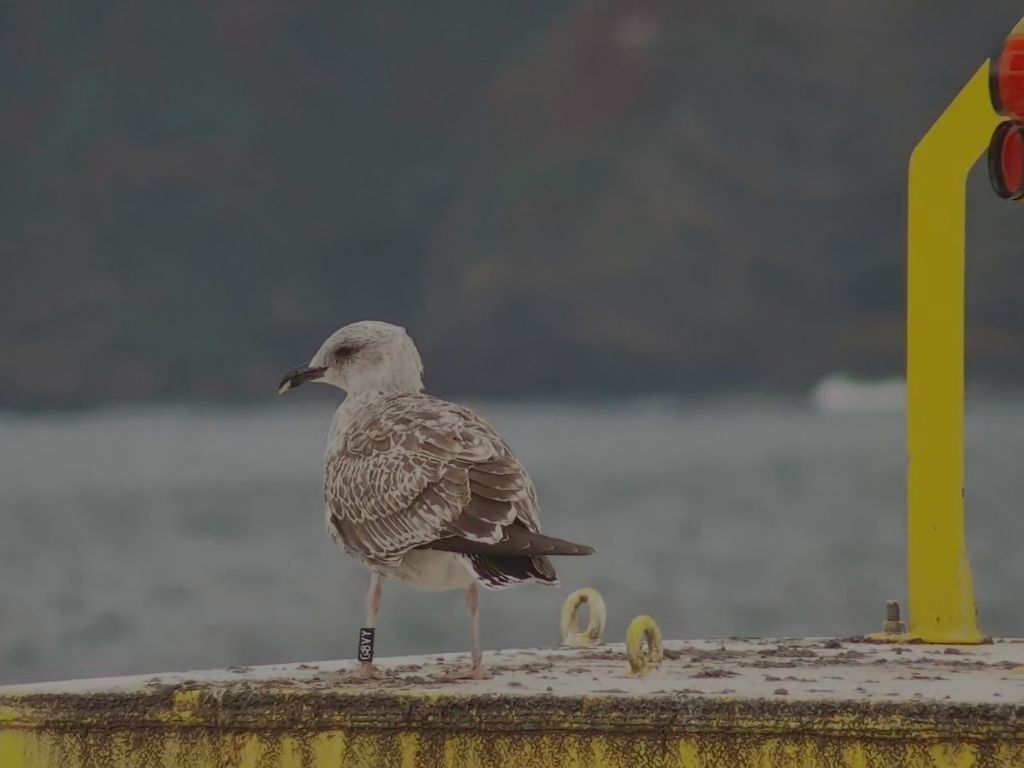
- In parallel, dedicated systems monitor birds in the area, record bat activity through acoustic listening, and a sonar is used to listen for fishes and cetaceans, building a high-resolution picture of how offshore wind interacts with marine biodiversity.
no-repeat;center top;;
auto
2. CO USE
This initiative focuses on designing and piloting offshore co-use actions by integrating nature-based solutions to restore water quality and biodiversity. Key priorities include full HSE compliance, enhanced research access, and the development of a replicable activities for future floating wind installation sites.
no-repeat;center top;;
auto
Fisheries
h4

top
Aquaculture
h4
icon-lamp

top
R&D program
h4

top
Surveillance and defense
h4
icon-lamp

top
Marine environment monitoring
h4

top
3. IMPACTS
This initiative focuses on designing and piloting offshore co-use actions by integrating nature-based solutions to restore water quality and biodiversity. Key priorities include full HSE compliance, enhanced research access, and the development of a replicable activities for future floating wind installation sites.


 Spanish
  English